Buy dg-solutions.eu ?
We are moving the project
dg-solutions.eu .
Are you interested in purchasing the domain
dg-solutions.eu ?
domain@kv-gmbh.de · 0541-91531010
Buy dg-solutions.eu ?
Can PVC be laid over old PVC?
Yes, PVC can be laid over old PVC as long as the existing PVC surface is clean, smooth, and in good condition. It is important to ensure that the old PVC is securely attached to the subfloor and free of any damage or imperfections that could affect the new installation. Proper preparation, such as cleaning and leveling the old PVC surface, is essential to ensure a successful installation of the new PVC flooring. Additionally, using an appropriate adhesive or underlayment may be necessary to ensure the new PVC flooring adheres properly to the old PVC surface. **
Can you lay PVC over old PVC?
Yes, you can lay new PVC over old PVC as long as the old PVC is in good condition and properly prepared. It is important to clean the old PVC thoroughly and make sure it is free from any dirt, grease, or debris. Additionally, you may need to roughen the surface of the old PVC to ensure proper adhesion of the new PVC. It is also recommended to use a PVC primer and adhesive to bond the new PVC to the old PVC for a secure and long-lasting installation. **
Similar search terms for PVC
Top-Angebote
Products related to PVC:
-
HARMAN Professional Solutions Cosmetic BagYou will love these stylish and classy portable hangable cosmetic bags. Easily and quickly store all your beauty essentials in this perfect multipurpose bag. Great for travel the medium sized cosmetics bag has several storage pockets for easy access and storage. Made of waterproof polyester fabric and featuring a fully lined wipe clean interior this bag is perfect for use in the bathroom travel and other occasions. Easy to hang with built-in hook Made of waterproof polyester Perfect travel cosmetic bag Multiple pockets and storage areas975,99 £*Shipping: 0,00 £Secure redirect to the provider


-
'How do you lay PVC on PVC?'
To lay PVC on PVC, you can use PVC cement or adhesive to bond the two pieces together. First, make sure the surfaces are clean and free of any debris. Then, apply the PVC cement to both surfaces and press them together firmly. Allow the adhesive to set and cure according to the manufacturer's instructions before putting any stress on the joint. It's important to follow proper safety precautions and use the appropriate adhesive for the type of PVC you are working with. **
-
Can an existing PVC flooring be covered with another PVC flooring?
Yes, it is possible to cover an existing PVC flooring with another PVC flooring. However, it is important to ensure that the existing flooring is in good condition and properly prepared before installing the new flooring. Any imperfections or damage in the existing flooring should be addressed before the new flooring is installed to ensure a smooth and even surface. Additionally, it is important to follow the manufacturer's guidelines and recommendations for installation to ensure the best results. **
-
Why does PVC warp?
PVC can warp due to exposure to high temperatures, such as direct sunlight or contact with hot objects. When PVC is heated beyond its melting point, it softens and can deform, leading to warping. Additionally, improper installation or poor support can cause PVC to bend or warp over time. It is important to follow manufacturer guidelines for proper installation and avoid exposing PVC to extreme heat to prevent warping. **
-
Why does PVC curve?
PVC (polyvinyl chloride) can curve due to its inherent flexibility and elasticity. When PVC is heated, it becomes more pliable and can be easily shaped into curves or bends. Once the heated PVC cools down, it retains the curved shape. This property makes PVC a versatile material for a variety of applications where curved or flexible components are needed. **
What is PVC paper?
PVC paper is a type of synthetic paper made from polyvinyl chloride (PVC) resin. It is known for its durability, water resistance, and tear resistance, making it ideal for various applications such as signage, labels, and packaging. PVC paper can be easily printed on using digital or offset printing methods, and it is available in different thicknesses and finishes to suit different needs. **
Is PVC fire resistant?
PVC, or polyvinyl chloride, is not inherently fire resistant. When exposed to fire, PVC can release toxic gases and smoke, making it a fire hazard. However, there are fire-resistant PVC formulations available that have been specifically designed to meet fire safety standards. These fire-resistant PVC products are often used in applications where fire safety is a concern, such as in building materials and electrical wiring. **
Top-Angebote
Products related to PVC:
-
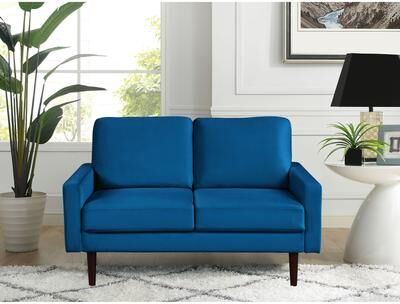
Lifestyle Solutions Napa LoveseatThe Napa Loveseat is designed not only to fit your space but also your style. The classic design and modern lines not only offer style but comfort. A hardwood frames offers sturdy support for everyday living.308,34 $*Shipping: 0,00 $Secure redirect to the provider
-
HARMAN Professional Solutions Cosmetic BagYou will love these stylish and classy portable hangable cosmetic bags. Easily and quickly store all your beauty essentials in this perfect multipurpose bag. Great for travel the medium sized cosmetics bag has several storage pockets for easy access and storage. Made of waterproof polyester fabric and featuring a fully lined wipe clean interior this bag is perfect for use in the bathroom travel and other occasions. Easy to hang with built-in hook Made of waterproof polyester Perfect travel cosmetic bag Multiple pockets and storage areas975,99 £*Shipping: 0,00 £Secure redirect to the provider
-
Can PVC be laid over old PVC?
Yes, PVC can be laid over old PVC as long as the existing PVC surface is clean, smooth, and in good condition. It is important to ensure that the old PVC is securely attached to the subfloor and free of any damage or imperfections that could affect the new installation. Proper preparation, such as cleaning and leveling the old PVC surface, is essential to ensure a successful installation of the new PVC flooring. Additionally, using an appropriate adhesive or underlayment may be necessary to ensure the new PVC flooring adheres properly to the old PVC surface. **
-
Can you lay PVC over old PVC?
Yes, you can lay new PVC over old PVC as long as the old PVC is in good condition and properly prepared. It is important to clean the old PVC thoroughly and make sure it is free from any dirt, grease, or debris. Additionally, you may need to roughen the surface of the old PVC to ensure proper adhesion of the new PVC. It is also recommended to use a PVC primer and adhesive to bond the new PVC to the old PVC for a secure and long-lasting installation. **
-
'How do you lay PVC on PVC?'
To lay PVC on PVC, you can use PVC cement or adhesive to bond the two pieces together. First, make sure the surfaces are clean and free of any debris. Then, apply the PVC cement to both surfaces and press them together firmly. Allow the adhesive to set and cure according to the manufacturer's instructions before putting any stress on the joint. It's important to follow proper safety precautions and use the appropriate adhesive for the type of PVC you are working with. **
-
Can an existing PVC flooring be covered with another PVC flooring?
Yes, it is possible to cover an existing PVC flooring with another PVC flooring. However, it is important to ensure that the existing flooring is in good condition and properly prepared before installing the new flooring. Any imperfections or damage in the existing flooring should be addressed before the new flooring is installed to ensure a smooth and even surface. Additionally, it is important to follow the manufacturer's guidelines and recommendations for installation to ensure the best results. **
Similar search terms for PVC
-
Why does PVC warp?
PVC can warp due to exposure to high temperatures, such as direct sunlight or contact with hot objects. When PVC is heated beyond its melting point, it softens and can deform, leading to warping. Additionally, improper installation or poor support can cause PVC to bend or warp over time. It is important to follow manufacturer guidelines for proper installation and avoid exposing PVC to extreme heat to prevent warping. **
-
Why does PVC curve?
PVC (polyvinyl chloride) can curve due to its inherent flexibility and elasticity. When PVC is heated, it becomes more pliable and can be easily shaped into curves or bends. Once the heated PVC cools down, it retains the curved shape. This property makes PVC a versatile material for a variety of applications where curved or flexible components are needed. **
-
What is PVC paper?
PVC paper is a type of synthetic paper made from polyvinyl chloride (PVC) resin. It is known for its durability, water resistance, and tear resistance, making it ideal for various applications such as signage, labels, and packaging. PVC paper can be easily printed on using digital or offset printing methods, and it is available in different thicknesses and finishes to suit different needs. **
-
Is PVC fire resistant?
PVC, or polyvinyl chloride, is not inherently fire resistant. When exposed to fire, PVC can release toxic gases and smoke, making it a fire hazard. However, there are fire-resistant PVC formulations available that have been specifically designed to meet fire safety standards. These fire-resistant PVC products are often used in applications where fire safety is a concern, such as in building materials and electrical wiring. **
* All prices are inclusive of VAT and, if applicable, plus shipping costs. The offer information is based on the details provided by the respective shop and is updated through automated processes. Real-time updates do not occur, so deviations can occur in individual cases. ** Note: Parts of this content were created by AI.